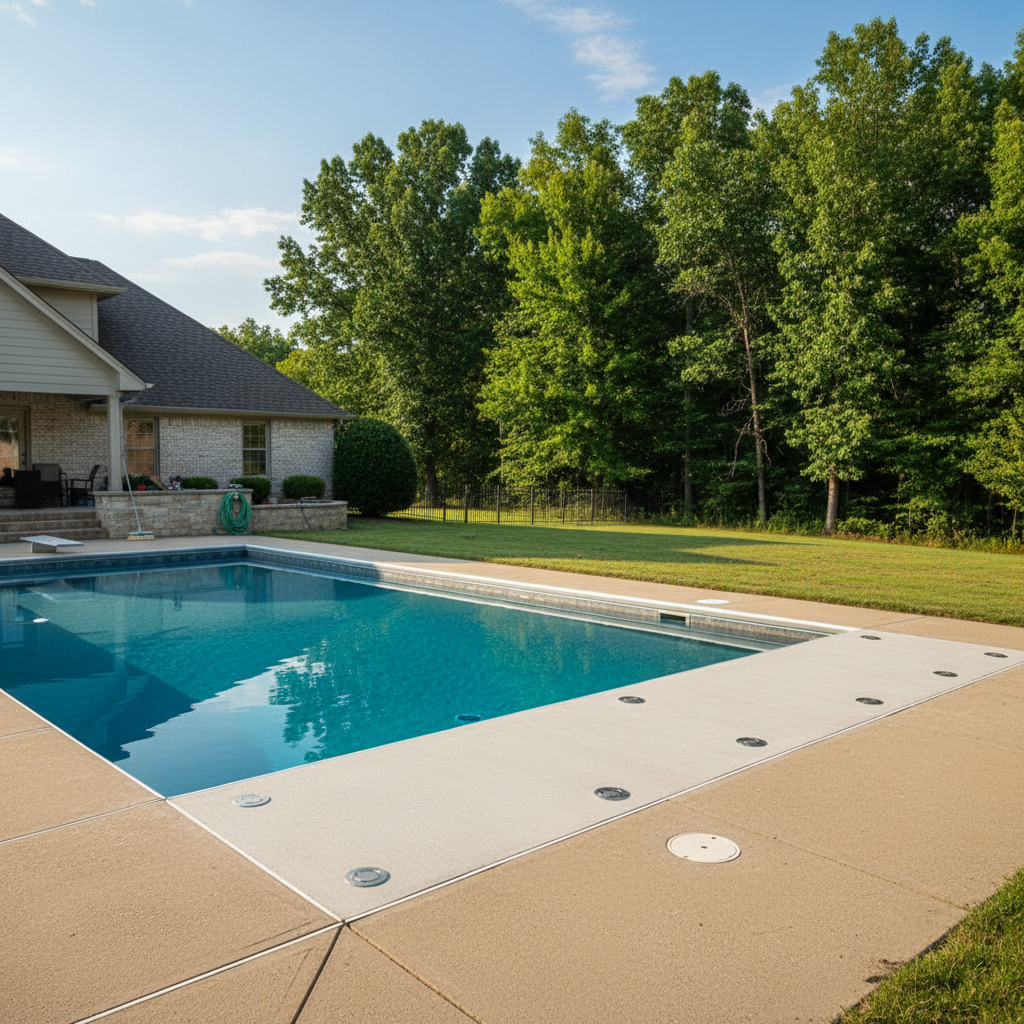
Is your pool losing water faster than usual? That's a question I hear a lot here in Hendersonville, especially after a dry spell or a really hot summer. A small leak might not seem like a big deal at first, but trust me, it can quickly turn into a major headache and a costly repair if you just let it go. I've seen it happen way too many times.
Warning Signs Your Pool Might Be Leaking
You'd be surprised how many folks don't even notice a leak until their water bill goes through the roof or they're refilling the pool every other day. But usually, there are some pretty clear indicators if you know what to look for.
- Consistent Water Loss: This is the big one, right? If your pool's losing more than a quarter-inch of water a day, and it's not just from splashing or evaporation, you've probably got a leak. To check for evaporation, try the bucket test. Just put a bucket of pool water on a step, mark the water level inside and outside the bucket. After 24 hours, if the pool level drops more than the bucket level, yep, you've got a leak.
- Unexplained Wet Spots: Take a good look around your pool equipment, the deck, and even your yard. If you see soggy ground or unusually lush spots near the pool, that's a red flag. I've actually seen leaks turn someone's lawn into a swamp, especially in some of those older neighborhoods with clay soil around Indian Lake.
- Cracks or Gaps: Visually inspect your pool's surface, whether it's concrete, plaster, or a liner. Look for cracks, tears, or gaps in the coping or tile grout. Sometimes, it's something obvious you can just spot with your eyes.
- Algae Growth: If you're suddenly fighting persistent algae, especially after you've been good about your chemicals, it could be because fresh water is constantly entering the pool from a leak, diluting everything.
- Equipment Running Constantly: If your pump is working overtime just to keep the water level up, that's a sign it's trying to make up for lost water.
- Higher Water Bills: This one's a no-brainer, but it's often the last thing people actually notice.
Regular Maintenance to Prevent Leaks
An ounce of prevention is worth a pound of cure, right? That's especially true for your pool. Keeping up with regular maintenance won't just keep your water sparkling; it'll also help you catch potential issues before they become full-blown leaks.
- Check Your Water Chemistry: Proper pH and alkalinity levels are super important. Water that's out of balance can be corrosive, slowly damaging your pool's surfaces and equipment over time, which eventually leads to leaks.
- Inspect Your Liner/Surface: If you have a vinyl liner, gently feel around the edges and corners for any tears or snags. For concrete or plaster pools, keep an eye out for hairline cracks and get them fixed early.
- Maintain Equipment: Regularly check your pump, filter, and heater for any drips or corrosion. Gaskets and O-rings just wear out, especially with our hot summers and cold winters here in Tennessee.
- Clean Skimmers and Returns: Make sure these are clear of debris. Blockages can sometimes put undue pressure on plumbing, though that's less common for leaks.
- Winterize Properly: This is huge in Hendersonville. If you don't winterize correctly, freezing water can expand in pipes and crack them. I've seen more than a few busted lines come spring because someone cut corners on winterization, what a mess.
Extending the Life of Your Leak Repair
So, you've had a leak fixed. Great! Now, how do you make sure it stays fixed and you don't have to deal with it again next year? It really just boils down to a few things.
- Address the Root Cause: If a ground shift caused a crack, just patching the crack might not be enough. You might need to look at the deck's integrity or drainage around the pool.
- Use Quality Materials: When we do a repair at Sunrise Pools, we don't skimp on materials. Make sure whoever does the work uses durable, pool-grade sealants and patches designed to withstand pool chemicals and temperature fluctuations.
- Maintain Water Balance: I can't stress this enough. Balanced water prevents further erosion or damage to the repair site and the rest of your pool.
- Avoid Harsh Cleaners: Don't use abrasive brushes or harsh chemicals directly on or near a repaired area.
- Regular Inspections: After a repair, keep an extra close eye on that spot for a few weeks or months. Just make sure it's holding up.
When to Call a Professional
Look, I'm all for homeowners being handy, but some jobs are just best left to the pros. If you've done the bucket test, checked the obvious spots, and you're still losing water, it's time to call in someone with the right tools and experience. Here's when to pick up the phone:
- You Can't Find the Leak: This is the most common reason. Leaks can be tiny and hidden deep in your plumbing or under your deck. We've got specialized equipment like listening devices and pressure testers that can pinpoint these invisible leaks.
- The Leak is Significant: If you're losing an inch or more a day, you need immediate professional help. That's a lot of water and a lot of potential damage.
- It's a Structural Crack: If you see a major crack in your pool's shell, especially if it's expanding, don't try to DIY it. That requires structural repair expertise.
- You Suspect Underground Plumbing: Leaks in underground pipes are notoriously difficult to find and fix without professional equipment and know-how. Digging up your yard blindly is just a bad idea.
- You've Tried DIY and Failed: No shame in that. Sometimes you just need an expert, don't you?
Don't let a small leak turn into a big problem. Catching it early and getting it fixed right is key to enjoying your pool for years to come. If you're in Hendersonville and you suspect a leak, give us a call. We'll get to the bottom of it.