Alright, let's talk pools. Specifically, how we get 'em ready for the cold and then back in action when the sun decides to stick around. I get a lot of the same questions every year from homeowners around Hendersonville, from Bluegrass Country to the folks closer to the lake. So, I figured I'd lay out the answers to the most common ones right here.
Why Can't I Just Drain My Pool for Winter?
This is a big one, and it's a mistake I see some folks make, especially if they're new to pool ownership. You absolutely should NOT drain your inground pool completely for the winter. Here's why: water pressure. Your pool's structure, whether it's concrete, fiberglass, or vinyl, is designed to withstand the outward pressure of thousands of gallons of water. When you drain it, that external pressure from the surrounding soil – which can be significant, especially with our clay-heavy soil around here in Hendersonville – can cause serious damage. We're talking about cracked walls, popped liners, or even the whole shell floating out of the ground if the water table is high. It's a costly repair, trust me. You want to lower the water level below the skimmers and returns, but leave enough in there to balance that outside pressure.
Do I Really Need to Winterize My Pool? It Doesn't Get That Cold Here.
Oh, but it does, doesn't it? We get those stretches where the temperature dips well below freezing for days, sometimes even weeks. And even if it's just a few nights, that's enough. Water expands when it freezes, and if you've got water in your pipes, pump, filter, or heater, that expansion can crack them wide open. It's like putting a full glass bottle of water in the freezer – it'll burst. Winterization isn't just about protecting your pool structure; it's about protecting all your expensive equipment. Skipping it is gambling with hundreds, if not thousands, of dollars in repairs. It's not worth the risk.
When's the Best Time to Close My Pool?
Timing is pretty crucial here. You don't want to close it too early, because then you're dealing with algae growth under the cover. And you certainly don't want to close it too late and risk a hard freeze. Generally, I tell people around Hendersonville to aim for when the average daily temperature consistently drops below 60-65 degrees Fahrenheit. For us, that's usually late October to mid-November. If you close it too early while the water is still warm, any residual organics or chemicals can become a breeding ground for algae, making spring opening a nightmare. Wait too long, and you might get caught by an early cold snap.
What's the Deal with Pool Covers? Do I Need a Fancy One?
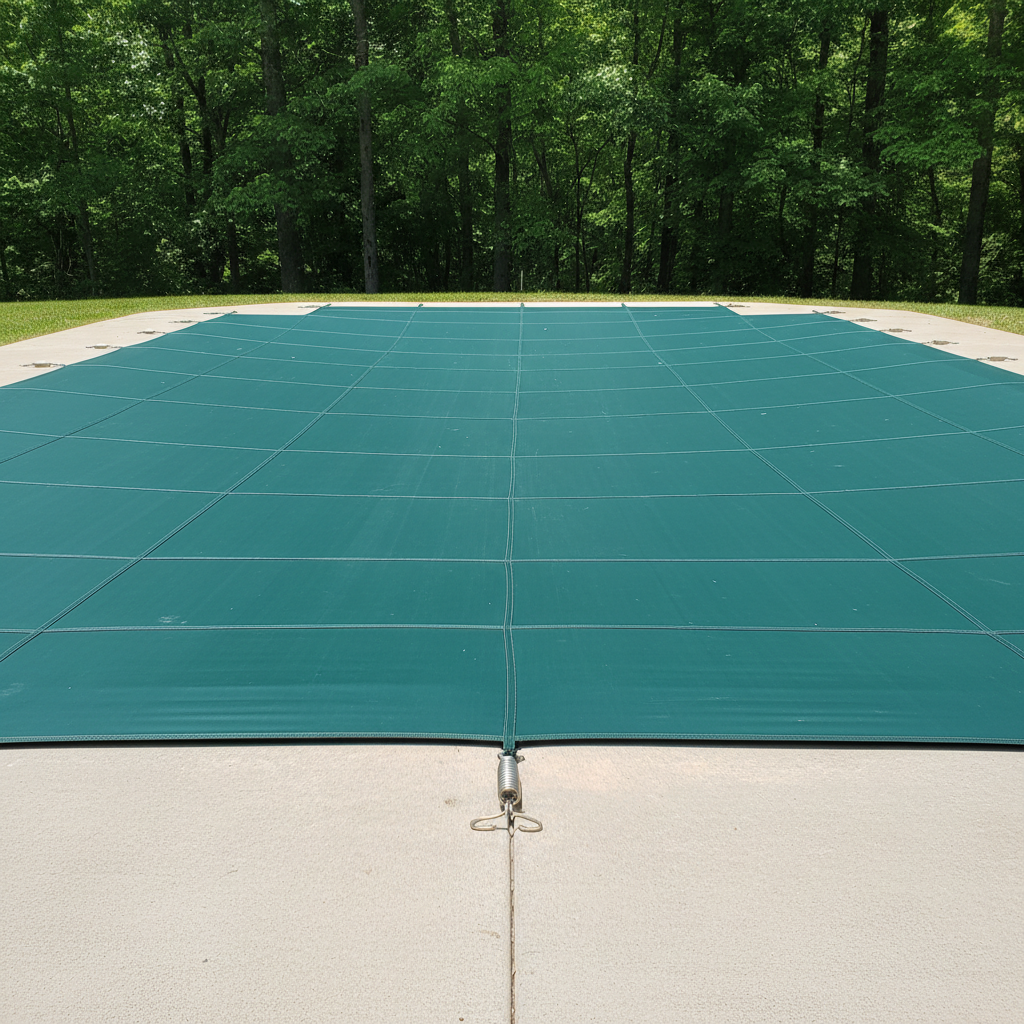
A good cover is an investment, but it pays off. There are a few types: winter covers, safety covers, and automatic covers. A basic winter cover will keep debris out and block sunlight, which helps prevent algae. A safety cover, usually mesh or solid, is anchored down and can support the weight of a person or pet. That's huge for families with kids or animals, wouldn't you agree? Automatic covers are fantastic for daily use but are a bigger upfront cost. For winterization, a solid or mesh safety cover is what I recommend most often. It'll keep your pool cleaner, safer, and save you a ton of work in the spring. Plus, it helps prevent evaporation and keeps chemicals in.
My Pool Water Is Green When I Open It. What Went Wrong?
Ah, the dreaded green monster. This usually means one of a few things. Most commonly, it's insufficient winterization chemicals or a cover that let in too much light and debris. If your water wasn't properly balanced or shocked before closing, or if the algaecide wore off, algae can take hold. A cover that's ripped or doesn't fit well can also let in sunlight and leaves, providing the perfect conditions for algae to thrive. Sometimes, it's just a mild case and a good shock treatment and filtration will clear it up. Other times, it's a full-blown swamp that requires more aggressive treatment, maybe even a partial drain and refill. That's why proper closing procedures, including chemical balancing, are so important.
How Long Does It Take to Open a Pool in Spring?
Getting your pool ready for swimming isn't an overnight job, especially if you want it done right. Physically removing the cover, cleaning it, and getting the equipment hooked back up usually takes a few hours. But that's just the start. Then you've got to refill the water, get the pump and filter running, and balance the chemicals. This chemical balancing and filtration process can take several days, sometimes a week or more, depending on how clean the water is to begin with. If you've got a lot of algae, it'll take longer. I always tell folks to plan for at least a week from the day we uncover it until it's truly swim-ready. Don't rush it; clean, balanced water is key for health and equipment longevity.
Should I DIY Winterization/Opening or Hire a Pro?
Look, I'm a small business owner with Sunrise Pools, so you know what I'm going to say, right? But honestly, it's not just about getting the business. It's about getting it done right. If you're handy, understand plumbing, electricity, and water chemistry, and have the time, sure, you can DIY. But there are a lot of steps, and missing one can lead to expensive problems. I've seen countless DIY winterizations that ended up costing more in repairs than a professional service would have. We know the ins and outs, we've got the right equipment, and we know what to look for. It's about protecting your investment. If you're unsure, or just don't have the time, call a pro. It's usually money well spent.